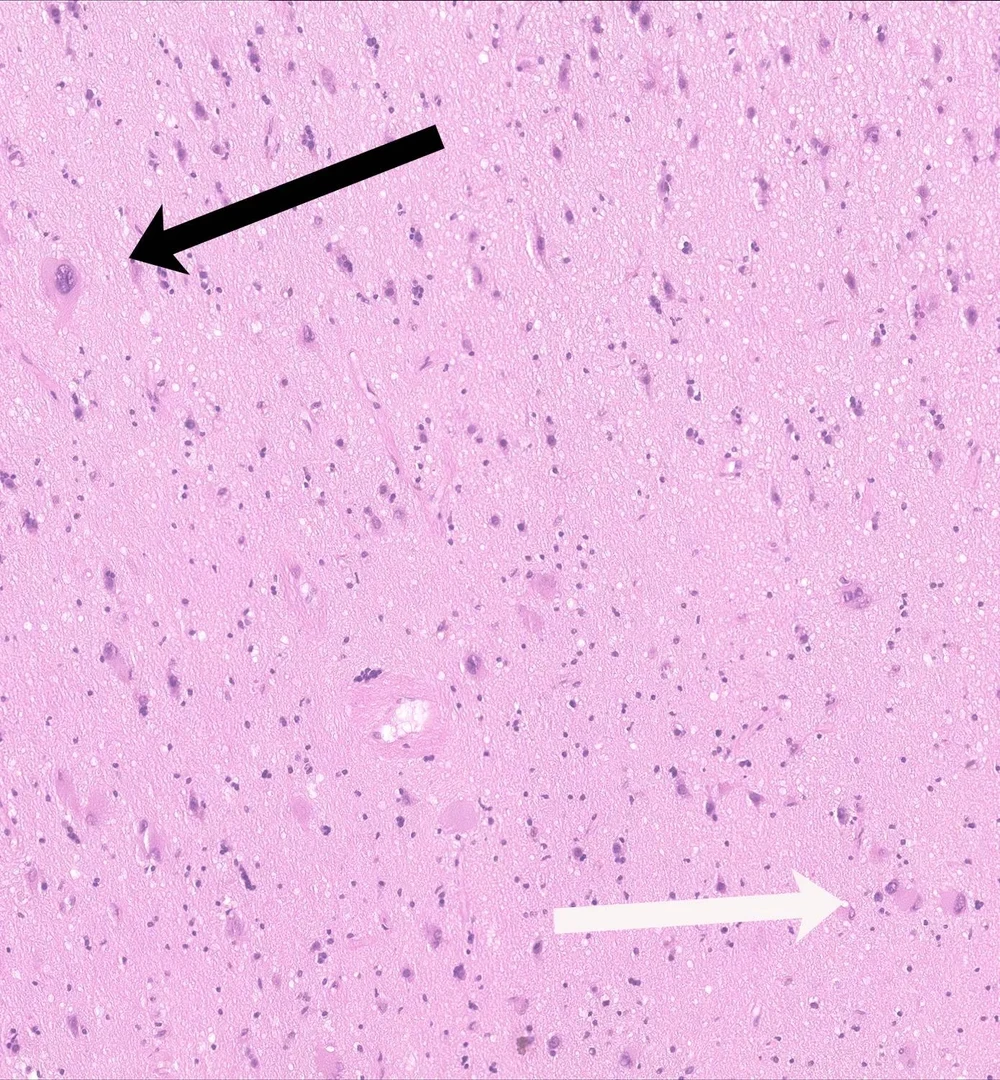
Focal cortical dysplasias (FCDs) are areas of congenital abnormal development in the cerebral cortex that emerge in the embryo while the brain is developing. They can cause epilepsy as well as cognitive and behavioral disorders that are particularly hard to treat with drugs. Findings have shown that communication between nerve cells and blood vessels and cooperation between macrophages and neurons play a role in FCDs, as do the adaptability of synapses and the transmission of signals by chemical messengers. The recently approved RTG “Entwicklung und Epileptogenese von Dysplasien im Zusammenspiel distinkter ZNS-Zelltypen” is setting out to understand these mechanisms and develop potential experimental treatments.
“Our Research Training Group will enable us to train doctoral students from the fields of life sciences and medicine where basic science meets clinical practice,” explains the RTG’s speaker, Professor Albert Becker from the Institute of Cellular Neurosciences II at the University of Bonn. “Getting the full research picture about cortical dysplasias requires knowledge drawn from a range of specialist disciplines. If we’re to generate knowledge that can be used to develop treatments in the future, we’re going to need researchers who know their respective field like the back of their hand. Our projects have a transdisciplinary structure and give the doctoral students the chance to carve out their own neuroscientific profiles.”
Besides subject knowledge, the doctoral students in the RTG will also be taught individual project management, data analysis, team-oriented research, literature research, academic writing, patient work and public relations in a qualification program made up of a number of systematic training courses.
The RTG’s co-speaker is Professor Sandra Blaess from the Institute of Reconstructive Neurobiology at the University Hospital Bonn, and it also involves researchers from the University Hospital Bonn, the Faculty of Medicine and the Faculty of Mathematics and Natural Sciences at the University of Bonn and the German Center for Neurodegenerative Diseases (DZNE) as well as enjoying close links with the University’s Life and Health Transdisciplinary Research Area.
The DFG’s RTGs enable doctoral students to obtain their doctorate at a highly specialized level through a structured research and qualification program. From spring 2026 onward, there will be 11 new RTGs being funded—out of a total of 209 DFG RTGs overall.