When we are ill, we often lose our appetite—and there is an evolutionary reason for that. Loss of appetite during an illness is a ancient survival strategy that helps the body to focus energy on fighting infection. While we fast, however, billions of microorganisms in our intestine have to adapt to the new conditions. When nutrients become scarce, they experience stress — and normally harmless bacteria can enter the body and cause inflammation.
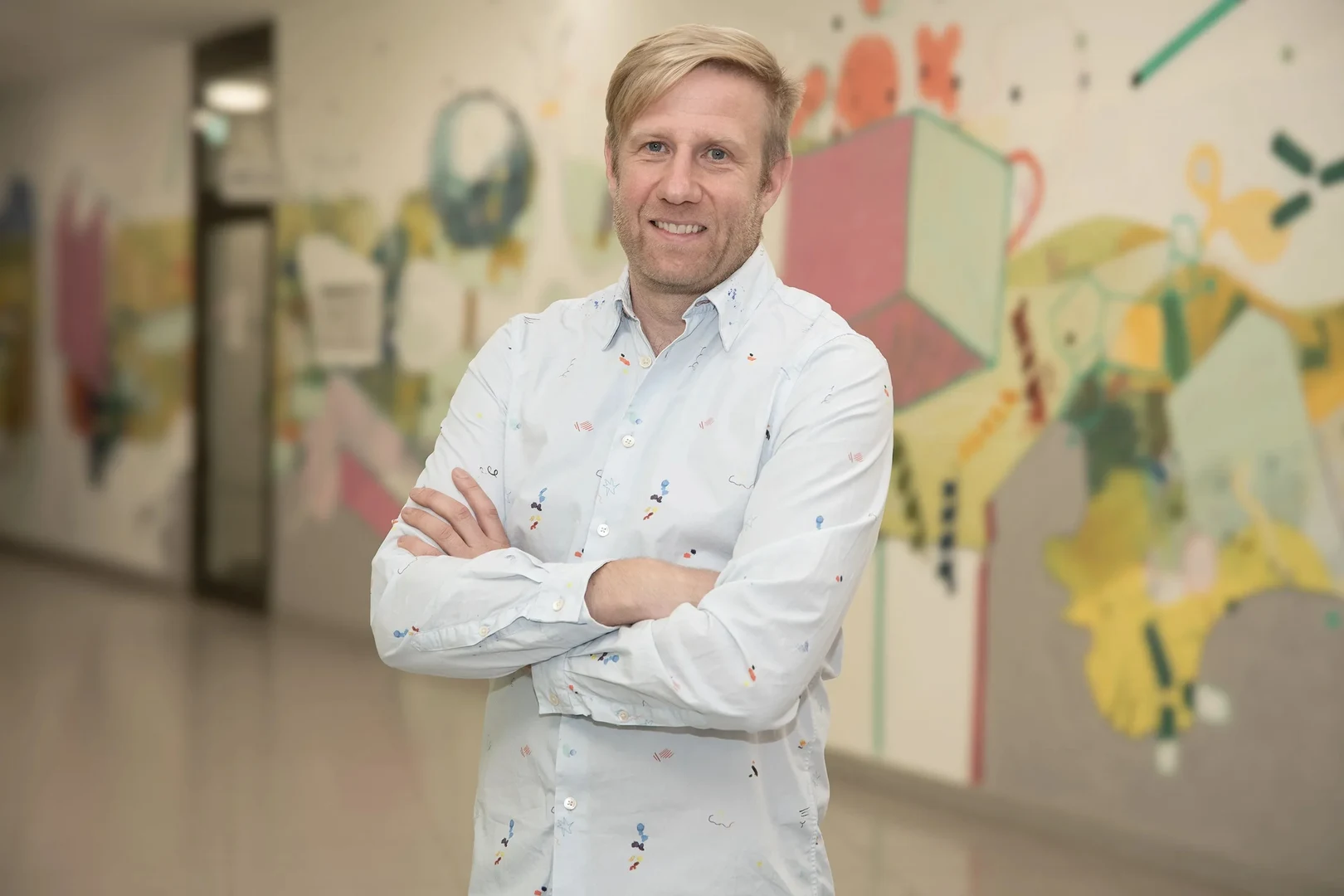
“Our research so far has shown that the body is prepared for this emergency,” explains Professor Wilhelm, who is also a member of the Transdisciplinary Research Area “Life & Health” at the University of Bonn. “We suspect that the human body has developed special mechanisms to continue ‘feeding’ intestinal bacteria even when food intake is low. This interaction between the microbiome and the host is a fascinating example of the finely tuned interplay between biological systems. In this project, we aim to identify the molecular processes responsible for maintaining this balance, and to understand how an imbalance can contribute to the development of disease.”
The five-year Reinhart Koselleck Project combines approaches from the fields of immunology, microbiology and metabolism. Using state-of-the-art imaging and molecular biological analyses, the aim is to investigate how the body and its microbial partners communicate with one another in periods of fasting or illness. The researchers anticipate gaining new insights into how the immune response supports the microbiome, and into the factors that determine whether the body will remain healthy or succumb to inflammation.
“This project is combining basic research and medical relevance in a unique way,” Professor Wilhelm says. “We want to understand how the body and the microbiome have evolved to support each other - even under extreme conditions.”
Funding:
Reinhart Koselleck Projects are a special form of funding provided by the DFG and are targeted at exceptional researchers with a strong track record of scientific excellence and originality. The funding supports the pursuit of particularly high-risk, innovative, and groundbreaking research ideas for which no reliable preliminary data are currently available Named after the historian Reinhart Koselleck (1923–2006), the program is among the most prestigious individual grants awarded by the DFG.