Professorships of 2025
In 2025, the Faculty of Medicine appointed the following professors* to the University of Bonn:
Prof. Holger Fröhlich
Holger Fröhlich has been appointed as Professor of Biomedical Data Science at the Institute for Digital Medicine. He will also take on the position of Head of the AI & Data Science Working Group—renamed the Department of Biomedical Data Science & AI as of January 1, 2026—at Fraunhofer SCAI.
His career took him from Marburg, where he studied computer science with a focus on AI, to Tübingen, where he completed a doctorate in computer science with a topic at the intersection of machine learning, computational chemistry, and bioinformatics. After a postdoc at the DKFZ in Heidelberg, he became a senior scientist at Cellzome AG and established his first junior research group at the University of Bonn in 2010. From 2015 to 2019, he worked for the global pharmaceutical company UCB in Bonn, where he established a data science group. In 2018, he was appointed honorary professor of computer science, and in 2019 he moved to Fraunhofer, where he took over the establishment and management of the AI & Data Science working group in the Bioinformatics division.

Structural networking of AI research and medicine in Bonn
Prof. Fröhlich focuses on the development and application of AI algorithms in medicine. This involves prioritizing target structures for future pharmaceutical development programs, precision medicine, and supporting clinical trials, for example through synthetic control arms or emulation studies.
From his position at Fraunhofer, it was important to him to build a structural bridge to medicine in Bonn. “Anyone who wants to bring AI into medical practice needs direct and local access to medical professionals and patient data. Together with the other working groups in applied computer science and statistics, we have a great opportunity in Bonn to build a high-caliber, competitive, and visible profile in the field of ‘AI in medicine,’ ” explains Holger Fröhlich. This progress will help drive important developments in this area.
Networked expertise for AI-supported medical progress
The AI researcher's work will continue in Bonn along these lines. Starting in January, a new EU project will be launched as part of the Innovative Health Initiative on the topic of drug and non-drug treatments for Alzheimer's disease, with Prof. Fröhlich taking over as head of the AI work package. Starting in March, a project funded by the Joint Federal Committee will be added, together with the scientific institute of the AOK, which is concerned with the development of a basic AI model. In addition, he is looking forward to working with colleagues in the medical faculty.
Prof. Fröhlich emphasizes: “AI in medicine is generally a very interdisciplinary topic that requires expertise from various fields to make real progress. In addition to computer scientists and medical professionals, you often need lawyers, ethicists, experts in approval processes, and business people.” To this end, he has a wide-ranging international network at his disposal to bring together the people relevant to a specific project.
The researcher's work encompasses application-oriented method development. A specific medical question often requires the development or further development of a particular algorithm because existing methods appear unsuitable. The methodological areas in which his research is conducted can be summarized under the categories of hybrid AI, generative time series modeling, multimodal data fusion, and causal machine learning. Together with his team, he uses state-of-the-art algorithms and neural network architectures, which are further developed as needed.

Prof. Ahmad Aziz
Prof. Ahmad Aziz has taken up a joint professorship at the UKB and DZNE. In this role, the neurologist, neurobiologist, and epidemiologist will conduct research into neurodegenerative diseases, using in-depth endophenotypic data from cohort studies. He also works as a specialist in neurology at the UKB's Clinic for Parkinson's Disease, Sleep Disorders, and Movement Disorders.
With his research group, Prof. Aziz aims to identify the risk factors, causes, and markers of neurodegenerative diseases in his new professorship. They intend to draw primarily on data obtained from population-based and clinical cohort studies, in particular the Bonn Rhineland Study. Prof. Aziz considers longitudinal studies such as this one, with in-depth endophenotypic data, to be particularly valuable in prevention and medical research. He emphasizes: “The rapidly growing data sets of the Rhineland Study, both in terms of the number of participants and the wide range and diversity of data types collected, constitute a unique and invaluable resource that could be used for many future interdisciplinary research projects.” Drawing on these resources, Prof. Ahmad Aziz intends to pursue three research goals.
Research goals related to neurodegenerative diseases
One of the main areas of focus in the neuroscientist's current scientific work is researching tandem repeats in connection with neurogenomic somatic instability and neurodegeneration. The renowned researcher emphasizes that neurodegenerative diseases such as dementia cause considerable strain worldwide and that the underlying genetic mechanisms are only partially understood. New evidence from rare repeat expansion diseases shows that elongated repetitive DNA sequences, known as “tandem repeats” (TRs), can trigger somatic instability in neuronal DNA. As Prof. Aziz puts it: “TRs could thereby initiate molecular changes that lead to neuronal degeneration.” Current research therefore focuses on the systematic analysis of these TRs, their instability, and their effects on neuronal networks.
His research also focuses on elucidating the neuroanatomical basis of motor function across the lifespan. The deterioration of motor function is considered an early feature of many neurodegenerative diseases, which is why research in this area is particularly important for the early detection of neurodegenerative diseases and the development of preventive and therapeutic strategies.
The third focus of his work is on hypothalamic dysfunction as a driver of age-related cognitive decline. The hypothalamus is a central homeostatic control organ whose potential role as a risk factor or marker for cognitive decline has hardly been investigated to date. The research group is therefore developing an automated procedure for MRI data to analyze the integrity of hypothalamic structures and record their correlation with cognitive performance in the Rhineland Study.
Professional career
Prof. Aziz is a renowned scientist. Among other distinctions, he has received the Young Talent Award from the Dutch Society for Neuroscience, the Marie Skłodowska-Curie Individual Fellowship, and an ERC Starting Grant from the European Union.
After completing his studies at Leiden University, he earned a joint PhD in neuroscience and neuroendocrinology at the Netherlands Institute of Neuroscience and Leiden University Medical Center. In London, he completed additional clinical training and conducted research in neurogenetic and movement disorders at the UCL Institute of Neurology and the National Hospital for Neurology and Neurosurgery. In 2018, Prof. Aziz decided to continue his career in Bonn. Since then, he has been head of the Population & Clinical Neuroepidemiology research group at the DZNE and a consulting neurologist in the Department of Neurology at the University Hospital Bonn. As part of his professorship, Prof. Aziz is looking forward to continuing his work at the DZNE and UKB. “The excellent interdisciplinary research infrastructure at the DZNE, including access to data from the Rhineland Study, and the close cooperation with the university are very valuable to me,” he emphasizes.
Prof. Tongtong Wang
Since this year, Prof. Tongtong Wang has been leading the Energy Homeostasis Research Group at the Institute of Pharmacology and Toxicology at the University of Bonn as a W1 tenure-track professor. In Bonn, she will contribute her expertise in the biology of adipose tissue and metabolic regulation.
A career path in metabolic research
Prof. Wang has already achieved several significant success in her field of research. She received her doctorate from ETH Zurich, where she made important discoveries about the functional heterogeneity of adipose tissue by identifying a novel thermogenic adipocyte population. This is a novel thermogenic cell population that fundamentally changed our understanding of energy consumption. She then worked at ETH Zurich as a postdoctoral researcher and later as a senior scientist and visiting scholar at Princeton University. There, she played a key role in the further development of spatial metabolomic technologies for metabolism-related tissue mapping.

Among Prof. Wang´s most significant work is the discovery of substrate cycle adipocytes, published in Cell Metabolism (2024). Her discoveries in this field contributed to groundbreaking insights into the thermogenesis mechanisms in adipose tissue via the canonical UCP1-dependent signaling pathway. Prof. Wang's current research addresses a fundamental question in the field of metabolic diseases: How does adipose tissue transition from a healthy to a dysfunctional state during the progression of obesity when its energy homeostasis is disrupted? Her work offers new therapeutic approaches for the treatment of obesity, type 2 diabetes, and cardiovascular disease. She is also working on systematically mapping tissue organization and identifying causal molecular mechanisms.
In her research, Prof. Tongtong Wang uses innovative spatial multimodal technologies to study adipose tissue at unprecedented resolution. Her goal is to identify the critical molecular regulators of obesity and energy homeostasis by combining several advanced integrated platforms. “Such methodological advances enable innovation through comprehensive molecular-spatial mapping within the structure of adipose tissue,” explains Prof. Wang.
Ideal conditions in Bonn
Prof. Wang has found ideal conditions for her scientific work at the University of Bonn and the University Medical Center Bonn (UKB). The UKB offers excellent clinical resources and access to patient cohorts, which are of great value for translational metabolic research. She particularly appreciates the close collaboration with outstanding clinical researchers, which promotes productive partnerships between medicine, biology, and computational sciences. Her research program is also made possible by the excellent infrastructure of the Core Facility. The collaborative environment, access to state-of-the-art technology platforms, and strategic positioning within a university of excellence create optimal conditions for her research. With her expertise in the fields of spatial biology, single-cell genomics, and metabolic regulation, as well as her work at the University of Bonn, Prof. Tongtong Wang enriches adipose tissue research and contributes to the further understanding of metabolic diseases.

Prof. Enzo Lüsebrink
Prof. Enzo Lüsebrink has been appointed to the W2 professorship with a focus on cardiovascular intensive care medicine and interventional cardiology at the Medical Clinic and Polyclinic II of the University Hospital Bonn. He was most recently head of the Cardiovascular Intervention and Intensive Care Medicine working group at the LMU Clinic in Munich. With his appointment in Bonn, he returns to the faculty and the UKB, where he also completed his studies and earned his doctorate in human medicine.
His research focuses on the pathophysiological mechanisms, diagnosis, and treatment of cardiogenic shock of all etiologies, acute coronary syndromes, and cardiovascular complications in critically ill patients, as well as work on translational projects that directly transfer fundamental scientific findings into clinical application.
New networks and innovative methods
In Bonn, Prof. Lüsebrink has set himself the goal of further strengthening Bonn's profile in cardiovascular intensive care medicine and interventional cardiology, in addition to heading up an independent research focus and promoting young scientists. “The overarching goal is to establish Bonn as one of Europe's leading centers for cardiovascular intensive care medicine and interventional cardiology, combining clinical care, research, and training at the highest level,” he explains. In particular, research questions such as the optimization of mechanical circulatory support, the treatment of high-risk pulmonary embolism and fulminant myocarditis, and the further development of resuscitation strategies are to be addressed in the future within the framework of a stronger international research network. To this end, Prof. Lüsebrink aims to build a high-performance, interdisciplinary team.
The scientist will also advance innovative and international research in cardiology in Bonn. Prof. Lüsebrink aims to tackle clinical studies by integrating innovative research methods. For example, long-term research is to be improved through the use of wearables, sensor technology, and app-based aftercare systems. Such new approaches will enable the long-term progression and quality of life of patients receiving intensive care to be systematically recorded, he explains.
Innovative omics technologies will also be used to identify new biomarkers and pathophysiological mechanisms, as well as machine learning and artificial intelligence. “These approaches are intended to help position cardiovascular intensive care medicine and interventional cardiology in Bonn as a leading location for cutting-edge translational research,” explains Prof. Lüsebrink. The close integration of research and clinical activity thus ensures the immediate translation of scientific findings into patient care.
Advantages of Bonn as a location
Prof. Lüsebrink particularly appreciates the excellent structural conditions for his research at the Bonn site, the close links with partner clinics such as cardiac surgery and anesthesiology, and the modern research infrastructure with high-performance core facilities. “I consider the close links between university research, translational medicine, and clinical excellence, as well as the international environment of the city of Bonn, to be an ideal starting point for the further development of my scientific work,” says Prof. Lüsebrink. With his clinical and scientific expertise, he strengthens cardiovascular research in Bonn and provides important impetus for the further development of cardiovascular intensive care and interventional medicine.
Prof. Şevin Turcan
Şevin Turcan has been appointed to the W2 professorship for Experimental Neuro-Oncology at the Center for Neurology at the University Hospital Bonn, effective September 2025. After studying biomedical engineering at Johns Hopkins University and Tufts University, the scientist most recently worked as head of the Max Eder research group at Heidelberg University Hospital. She has now decided to make the move to Bonn, where her research will focus on combining neurobiological research with methods of mathematical modeling of brain tumor formation.

In her research, Prof. Turcan focuses on how brain tumors develop, spread in the brain, and become resistant to treatment. According to the neuroscientist, brain tumors are difficult to treat due to their infiltration and resistance to therapy. A particular focus is on research into gliomas. “My research group will concentrate on how gliomas integrate into and exploit the brain ecosystem, as well as on the dynamics of cell states and plasticity that drive growth, invasion, and resistance to therapy,” explains Prof. Turcan. She and her team are therefore expanding on projects on microglia to understand how tumors reshape the immunological microenvironment and how this process can be reversed therapeutically. In addition, the focus will be on methods of intervention, such as animal models of the mouse brain, and on advancing biomarker-based and state-informed interventions based on cellular state profiles.
To investigate these questions, Prof. Turcan and her team combine neurobiological and data-based approaches, draw on mathematical modeling methods, and develop computer models to capture the microglia-tumor dialogue. Their methods include work on single-cell and spatial multi-omics, functional genomics, and epigenetic profiling, as well as whole-brain imaging using light-sheet fluorescence microscopy (LSFM), including associated computer-assisted 3D image analysis and modeling approaches. Prof. Turcan plans to collaborate extensively with teams from neuroscience, data science, and clinical neurology. “I am particularly looking forward to working closely with colleagues throughout the center to launch joint projects, share core expertise, and accelerate translation,” she explains.
For Prof. Turcan, the UKB offers an ideal scientific environment: the combination of various strengths of the University of Excellence, such as the close proximity between the clinic, basic research, and quantitative disciplines, and the outstanding technical infrastructure enable her to research biological questions with mathematical and quantitative precision. “The UKB combines excellent neuroscience, diverse research programs, and strong data science expertise—an ideal ecosystem for bringing biology and mathematics together,” praises Prof. Şevin Turcan. She is particularly pleased to become part of the dynamic, collaborative, and growing Center for Neurology.
In addition to her scientific research, Prof. Turcan will also devote herself to teaching, establishing interdisciplinary collaborations, and translating preclinical findings into clinically relevant hypotheses. She is also particularly committed to mentoring students and promoting comprehensive training. Prof. Turcan's appointment expands the scientific profile of the Center for Neurology and contributes to the further integration of biological and quantitative approaches.

Prof. Johannes Brägelmann
Prof. Johannes Brägelmann joins the Medical Clinic and Polyclinic III for Oncology, Hematology, and Rheumatology as a W2 professor for translational oncology, thereby strengthening the scientific focus on data-driven, personalized cancer medicine at the UKB. His goal is to build a translational bridge between complex genomic data and clinical patient care. He also aims to establish a research program dedicated to understanding and overcoming resistance to therapy. For Prof. Brägelmann, the appointment to the professorship marks a return to his alma mater. His path to becoming a physician and scientist included research stays at the University of Chicago, a master's degree in biostatistics from the University of Heidelberg, and most recently, the direction of a successful junior research group funded by German Cancer Aid at the Mildred Scheel School of Oncology in Cologne.
Making therapy-resistant cancers vulnerable again
“Cancer is not a static disease, tumors are constantly evolving in order to survive,” says Prof. Brägelmann, who wants to use these evolutionary processes to develop more accurate therapies. Tumors consist of a heterogeneous population of cells, including cancer cells and, for example, immune cells. When a patient is treated, the therapy acts as a strong selective pressure that eliminates most cancer cells. However, a few cancer cells can survive the treatment by tolerating the therapy and surviving for months or even years without growing. These so-called “drug-tolerant persister cells” can adapt and multiply, causing long-term recurrence of the cancer in a more aggressive, therapy-resistant form. This process is called “clonal evolution” and changes both the tumor cells and their interaction with the immune system.
“We are focusing on understanding the ‘escape routes’ that these persistent cells use to survive,” explains Prof. Brägelmann. "With the help of data-driven biology and functional genomics, we can track these evolutionary developments in our experiments and in patient samples. The goal is to identify specific vulnerabilities and new sensitivities in the resistant cells before they can cause clinical recurrence. The goal is to identify specific vulnerabilities and new sensitivities in resistant cells before they can cause clinical recurrence. By predicting how the cancer will adapt, we want to develop combination therapies that block its evolution from the outset.
Bridging the gap between experimental data and patient treatment
Together with his team, Prof. Johannes Brägelmann aims to translate these complex, data-driven findings directly into clinical strategies. “As a physician and scientist with training in medicine and biostatistics, I want to close the loop between computer-assisted analyses, experimental findings, and clinical practice,” says Prof. Brägelmann. “Our long-term goal is to identify new treatment strategies that improve the lives of our cancer patients.”
Prof. Brägelmann was keen to return to Bonn, attracted by the excellent clinical environment and strong research focus. “The close collaboration with the clinic, the Center for Integrated Oncology (CIO), and the ImmunoSensation² Cluster of Excellence provides the ideal platform for developing innovative, data-driven therapies that directly benefit our patients.” He brings extensive expertise from large research consortia, including a leadership role in the SFB1399 consortium and memberships in the preclinical platform of the National Network for Genomic Medicine (nNGM) and the Cancer Targeting Consortium CANTAR, as well as an extensive network of national and international partners.
In his free time, the married father of one child is an avid mountaineer, music lover, and long-standing member of the German Society for Mountain and Expedition Medicine.
Prof. Kaan Boztug
Prof. Dr. Kaan Boztug is head of the newly established Clinic for Pediatric Immunology and Rheumatology at the University Hospital Bonn (UKB). The 47-year-old expert in rare diseases of the immune system and blood formation aims to establish a center for congenital immunodeficiencies there, offering diagnostics and treatment, including immune and stem cell therapies. As part of his ERC grant-funded research, he has described more than 20 immune deficiencies for the first time and deciphered the underlying disease mechanisms. Prof. Boztug has just arrived from Vienna, where he served as director of the Ludwig Boltzmann Institute for Rare and Undiagnosed Diseases, senior physician at St. Anna Children's Hospital, and scientific director of St. Anna Children's Cancer Research, among other positions.
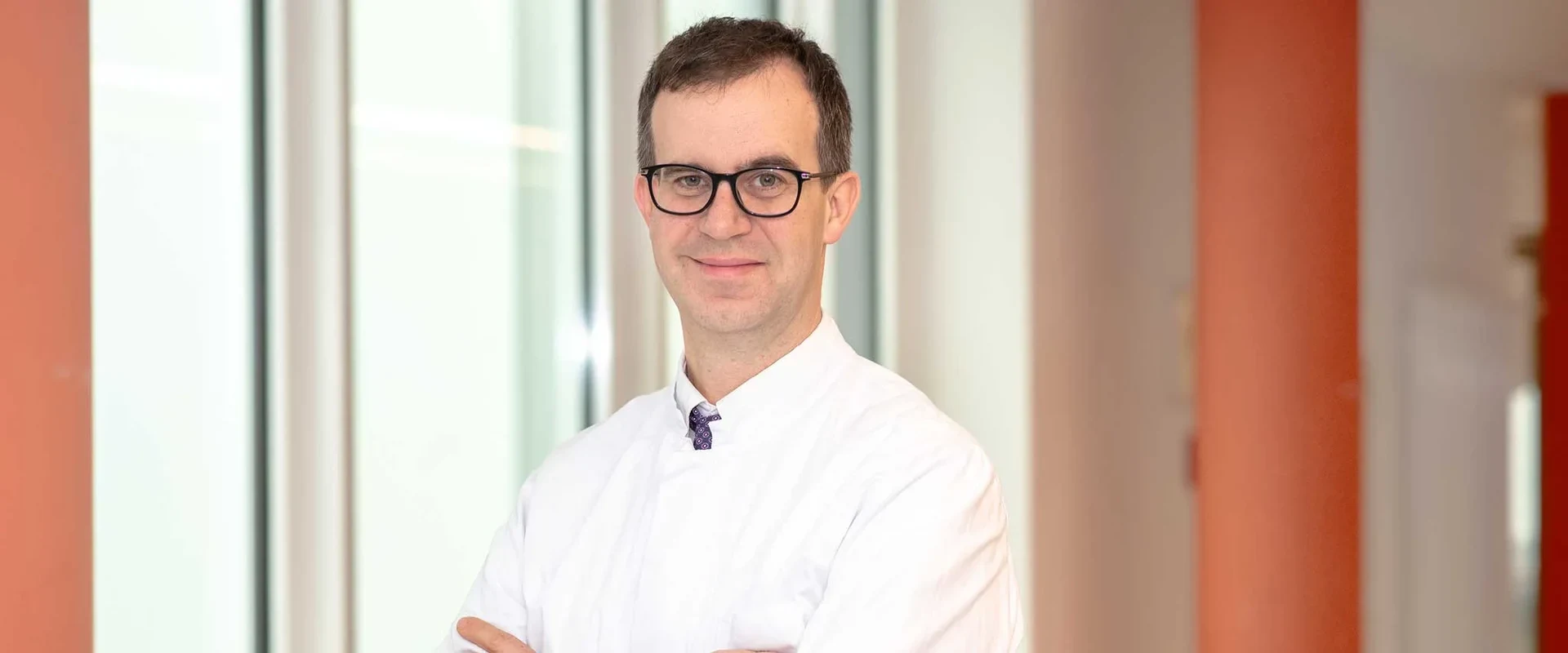
There are a variety of congenital disorders of the immune system, but with a wide range of possible infections. “The trick is to recognize when children with infections or autoimmune diseases may actually have an underlying congenital immune deficiency,” says Prof. Boztug. Almost all of these are rare diseases for which modern therapies can be developed on a tailor-made basis. To this end, he relies, among other things, on very close networking with pediatric hematology and oncology as well as other pediatric departments at the UKB's Parent-Child Center (ELKI). "Immunology is a key discipline. In recent years, we have gained a better understanding of how, for example, chronic inflammatory bowel disease in early childhood can be caused by an immune deficiency, or that some immune deficiencies are associated with a risk of developing tumors. That is why interdisciplinary networking is of critical importance here," says Prof. Boztug, who has many years of clinical experience in pediatrics with a focus on immunology, hematology, and oncology. He also sees opportunities for close interaction with the Center for Rare Diseases (ZSEB), where he will establish a priority program for congenital immune deficiencies, as well as with rheumatology in the transition from pediatric to adult medicine.
Like looking for a needle in a haystack
Around 3,000 genes are responsible for the human immune system. “The key question of which gene is responsible for a particular trait is usually answered by the people affected themselves,” says Prof. Boztug. “Because if a gene mutates in a person and this has a negative effect, then it is obviously essential and therefore relevant for the diagnosis and treatment of the disease.” As part of his diagnostic and research work on congenital disorders of the immune system, he will be collaborating particularly closely with the Department of Human Genetics at the UKB.
The pediatric immunologist has the following dream for his field: to better understand how immune defects arise and what environmental influences play a role in this. With this knowledge, he wants to develop better therapies: “Can the gene responsible for the immune defect or the associated protein be modulated in such a way that we can correct or at least mitigate the immune dysfunction?”
First-class immunology research as a magnet for Bonn
The ImmunoSensation2 Cluster of Excellence at the University of Bonn is a particular appeal for Prof. Boztug: “The future-oriented research cluster was a major motivation for my decision to come to Bonn, and I am delighted to be able to help shape research into immune-dependent diseases as a new member.” In addition, for Prof. Boztug, who grew up about 50 miles from Bonn, it is also a little like coming home. “I am used to the open and friendly Rhineland way of life, which makes my first few days in my new creative environment much easier.”
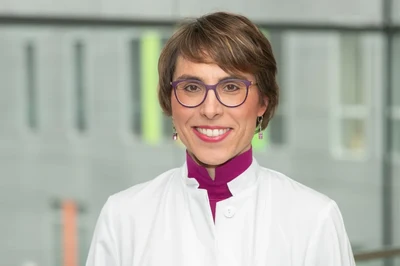
Prof. Anne-Katrin Pröbstel
The University Hospital Bonn (UKB) is pleased to introduce Prof. Anne-Katrin Pröbstel as the new director of the Department of Neuroimmunology. Together with Prof. Ulrich Herrlinger, director of the Department of Neuro-Oncology, she will serve as managing director of the overarching Center for Neurology. With her international clinical experience and outstanding scientific expertise, she will strengthen the UKB as one of the leading centers for neuroimmunology in Germany and further optimize care for patients with diseases such as multiple sclerosis.
The Clinic for Neuroimmunology at the UKB's Center for Neurology is dedicated to the diagnosis and treatment of autoimmune neurological diseases and to neurointensive care within the interdisciplinary Neurointensive Care Unit (NICU). Neuroimmunological diseases can affect various parts of the nervous system, including the brain, spinal cord, and peripheral nervous system, and cause a wide range of symptoms. We treat both autoimmune diseases of the peripheral nervous system, such as chronic inflammatory demyelinating polyneuropathy (CIDP), and diseases of the central nervous system, including multiple sclerosis (MS), neuromyelitis optica spectrum disorder (NMOSD), MOG antibody-associated disease (MOGAD), autoimmune encephalitis, neurosarcoidosis, and neurolupus. MS is one of the most common chronic neurological diseases in young adults. It mainly affects people between the ages of 20 and 40, with more than 250,000 people affected in Germany.
Scientific career
Prof. Anne-Katrin Pröbstel originally comes from near Frankfurt and, at just 38 years of age, is one of the youngest clinic directors in Germany. She completed her medical studies at Ludwig Maximilian University in Munich with semesters abroad in Boston and Paris and simultaneously earned her doctorate at the Max Planck Institute for Neurobiology, where she conducted research on MS and discovered new antibodies. During residencies in New York and Sydney, she deepened her knowledge of inflammatory diseases of the nervous system. Her scientific interests include the mechanisms of MS and related neuroimmunological diseases and the question of why the immune system attacks the body itself, damaging the myelin sheaths in the brain and spinal cord.
After completing her medical studies, she continued her specialist training in neurology and scientific work at one of the largest MS centers at the University Hospital of Basel. With a scholarship from the Swiss National Science Foundation (SNSF) and the American MS Society, she spent three years at the University of California, San Francisco, where she studied the role of intestinal bacteria in inflammatory processes. Back in Basel, she established the encephalitis outpatient clinic (for the treatment of inflammation of the brain) and her research group as a senior physician and SNF Eccellenza professor.
UKB Center of Excellence in Neuroimmunology
Prof. Pröbstel's particular passion lies in combining research and patient care, which led her to Bonn. At the UKB, she will further expand the immunological and neuroscientific center of excellence and intensify the immunological examination of patient samples. "It is a great honor for me to serve as managing director of the Center for Neurology and the Clinic for Neuroimmunology at the University Hospital Bonn. With my expertise in neuroimmunological research and neurological patient care, I want to work with my colleagues to bring new ideas and keep improving treatment options for autoimmune diseases of the nervous system. The UKB, located in close proximity to the German Center for Neurodegenerative Diseases (DZNE), offers me the ideal platform to develop innovative therapies that benefit patients and shape the future of medicine through close interdisciplinary collaboration."
Expansion of outpatient clinics and innovative therapies
Prof. Pröbstel is focusing on the expansion of outpatient clinics and the establishment of a day clinic, which is expected to be completed by 2026 at the UKB's Center for Neurology. Special consultation hours are also planned for rare neuroimmunological diseases such as MOGAD, NMOSD, rheumatic diseases such as neurolupus, and inflammatory neuropathies. An interdisciplinary clinical immunology board will be established to promote close cooperation between the disciplines involved. The neuroimmunology expert is focusing on collaborations with neuroradiology, psychiatry, neurosurgery, the eye clinic, the pediatric clinic, the clinic for internal medicine, and rheumatology at the UKB, among others. In addition, she will be conducting studies on new therapeutic approaches, including research into intestinal bacteria and CAR-T cell therapies, which have previously been used in cancer treatment, and will be offering regular patient information events. Among other things, she will be providing information on the topic of “Inflammation of the nerves and brain” at the UKB patient colloquium on May 22.
“Our vision is to further develop neurology and neuroimmunology at the UKB in a future-oriented manner and to set standards in both clinical practice and research. Through interdisciplinary cooperation and innovative research approaches, such as the study of intestinal bacteria and CAR-T cell therapies, we want to ensure holistic and future-oriented care for our patients.” With her move to the UKB, Prof. Pröbstel brings not only her impressive expertise, but also her vision for interdisciplinary and internationally networked neurology and neuroimmunology. Her goal is to set new standards in the treatment of neurological diseases through innovative research and excellent clinical care.
Prof. Dr. Richard Wierichs
After several years in Switzerland, he is returning to his old domain: Prof. Richard Wierichs, MHBA, has taken over as head of the newly structured Polyclinic for Conservative Dentistry and Periodontology at the University Hospital Bonn (UKB). The 38-year-old dentist succeeds Prof. Dr. Dr. Dr. Søren Jepsen, MS, and has also been appointed to the Chair of Conservative Dentistry and Periodontology at the Medical Faculty of the University of Bonn.
The internationally recognized expert in minimally invasive and prevention-oriented dentistry brings with him extensive clinical and scientific experience. Most recently, he worked as a senior physician at the Dental Clinics of the University of Bern, where he habilitated in 2020 and was appointed associate professor in 2023. Prior to that, he worked for several years at the Clinic for Conservative Dentistry, Periodontology, and Preventive Dentistry at RWTH Aachen University, where he also completed a rotation scholarship at the NRW Center of Excellence “Biohybrid & Medical Textiles.”
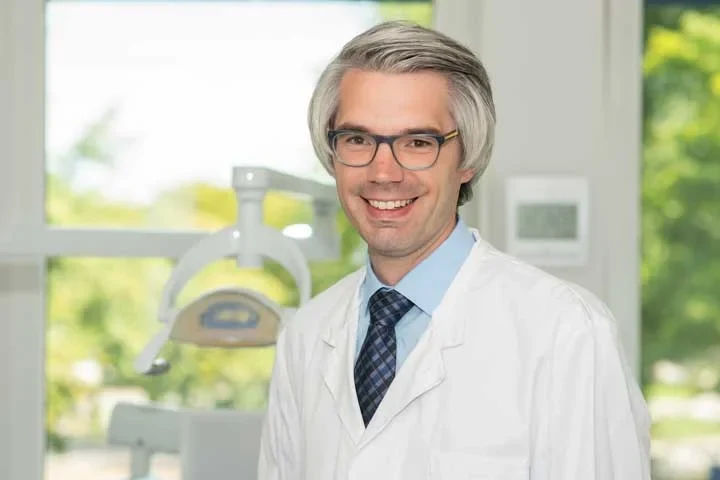
“Returning to Bonn is something very special for me,” says Prof. Wierichs. “This is where I studied, earned my doctorate, and discovered my passion for dental conservation. Now, being able to head the Department of Conservative Dentistry and Periodontology is not only a professional milestone for me, but also a return to my dental home.”
Research and care working hand in hand
His clinical focus is on minimally invasive treatment for patients of all ages—from pediatric dentistry and modern root canal treatment to cosmetic and periodontal therapies. Prof. Wierichs' scientific work focuses in particular on cariology in older age, the prevention and inactivation of root caries, and practice-oriented healthcare research.
“I am interested in how we can transfer scientific findings directly into everyday practice,” explains the new clinic director. “We want to develop therapies that are gentler, more durable, and more individually tailored to people's needs – thereby improving oral health in the long term.”
One example of this aspiration is the Bern Practice Network for Health Services Research, which he co-founded and which investigates clinical issues in real-life practice situations, thus bridging the gap between research and patient care.
New ideas for dental care in Bonn
Prof. Wierichs has a clear plan for the future of the Bonn Polyclinic: prevention, digitalization, and interdisciplinary collaboration. He wants to keep building on the existing focus on periodontology while also strengthening pediatric and adolescent dentistry and practical research.
“My goal is to make the clinic a place where research, teaching, and patient care are closely interlinked,” emphasizes Wierichs. “We want to offer evidence-based, sustainable, and patient-oriented treatment concepts—while at the same time providing the best possible training for the next generation of dentists and preparing them for future challenges in clinical practice and research.”
From the outset, students should learn to view the oral cavity not in isolation, but in the context of general health. In this way, the Münsterland native is continuing the approach of his predecessor and aims to contribute to the further development of dentistry toward “oral medicine.”
In addition, the new director is committed to the comprehensive modernization and digitization of the clinic. In addition to implementing legal requirements such as electronic patient records, new digital workflows are intended to noticeably improve processes for patients and employees.
About Richard Wierichs
Prof. Dr. Richard Wierichs, MHBA, was born in North Rhine-Westphalia in 1987 and studied dentistry at the University of Bonn, where he also earned his doctorate. After working in private practice, at RWTH Aachen University, and the University of Bern, he was offered chairs in conservative dentistry at the University Hospitals of Düsseldorf (declined) and Bonn (accepted) in 2025.
He has received several scientific awards, including the Basil G. Bibby Young Investigator Award from the International Association for Dental Research (IADR) and the Dental Innovation Award.
The father of two now lives in Bonn again with his wife and two daughters. In his free time, he enjoys running along the Rhine—on the same bridge circuit that accompanied him as a student.
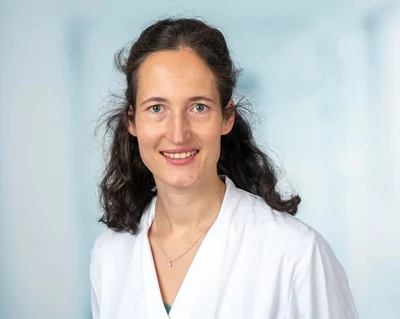
Prof. Dr. Martina C.
Herwig-Carl
Prof. Dr. med. Martina C. Herwig-Carl was appointed to the W2 professorship for ophthalmopathology at the Eye Clinic of the University Hospital Bonn on February 15, 2025. At the same time, she will also take over as head of the newly founded “Ophthalmopathology” section.
After studying human medicine and obtaining her doctorate at Ruhr University Bochum, she began her specialist training in ophthalmology at the University Eye Clinic in Bonn. Parallel to her specialist training, she trained in ophthalmopathology and in 2010 went to the Ophthalmopathology Laboratory at Emory Eye Center, Atlanta, USA, on a DFG research fellowship. After returning to Bonn and obtaining her specialist certification and certification in ophthalmopathology in 2012, she established her first working group on ocular tumors. She subsequently expanded her surgical repertoire in the field of eyelid, tumor, and corneal surgery.
Her research focuses on the tumor microenvironment, intratumoral heterogeneity, and epigenetic changes in choroidal melanoma, as well as the entire spectrum of ophthalmopathology. In addition, she is researching the development of the eye based on a biobank of more than 1,000 fetal eyes that she has established. As a clinician-scientist, she primarily pursues translational approaches and also focuses intensively on clinical-pathological correlations of ophthalmological disease patterns and interventions in order to optimize conservative and microsurgical therapy through an improved understanding of wound healing and pathophysiology.
Her research goals are to develop new diagnostic and therapeutic approaches for ophthalmic tumor diseases and to advance the digitization of ophthalmopathology using artificial intelligence. In addition, she is committed to innovative teaching formats and has already developed an interactive “ophthalmopathology quiz” on eCampus. “I look forward to further expanding ophthalmopathology in Bonn and exploiting the potential of digitalization and artificial intelligence for diagnostics, teaching, and research,” said Prof. Herwig-Carl. “The direct connection between research, patient care, and teaching is particularly important to me.”
Prof. Dr. Maxmilian Pfau
Prof. Dr. Maximilian Pfau has held the W3 professorship for Retinology and Digital Imaging at the Clinic and Polyclinic for Ophthalmology since August 1, 2025. He is an internationally recognized expert in degenerative retinal diseases such as age-related macular degeneration (AMD) and rare diseases such as retinitis pigmentosa and Stargardt's disease. He completed his medical studies as a scholarship holder of the German National Academic Foundation at the University of Heidelberg, where he also earned his doctorate in basic science in biochemistry. He completed his specialist training in ophthalmology at the University Hospital in Bonn. His clinical and academic career has been shaped by scientific positions at leading international institutions such as Stanford University and the National Eye Institute in the USA, funded by the German Research Foundation. Most recently, until his appointment at the University of Bonn, he was senior physician in charge of consultations for rare retinal diseases at the University Hospital of Basel and, at the same time, was involved in the development of innovative therapies as Senior Principal Medical Director at Hoffmann-La Roche.
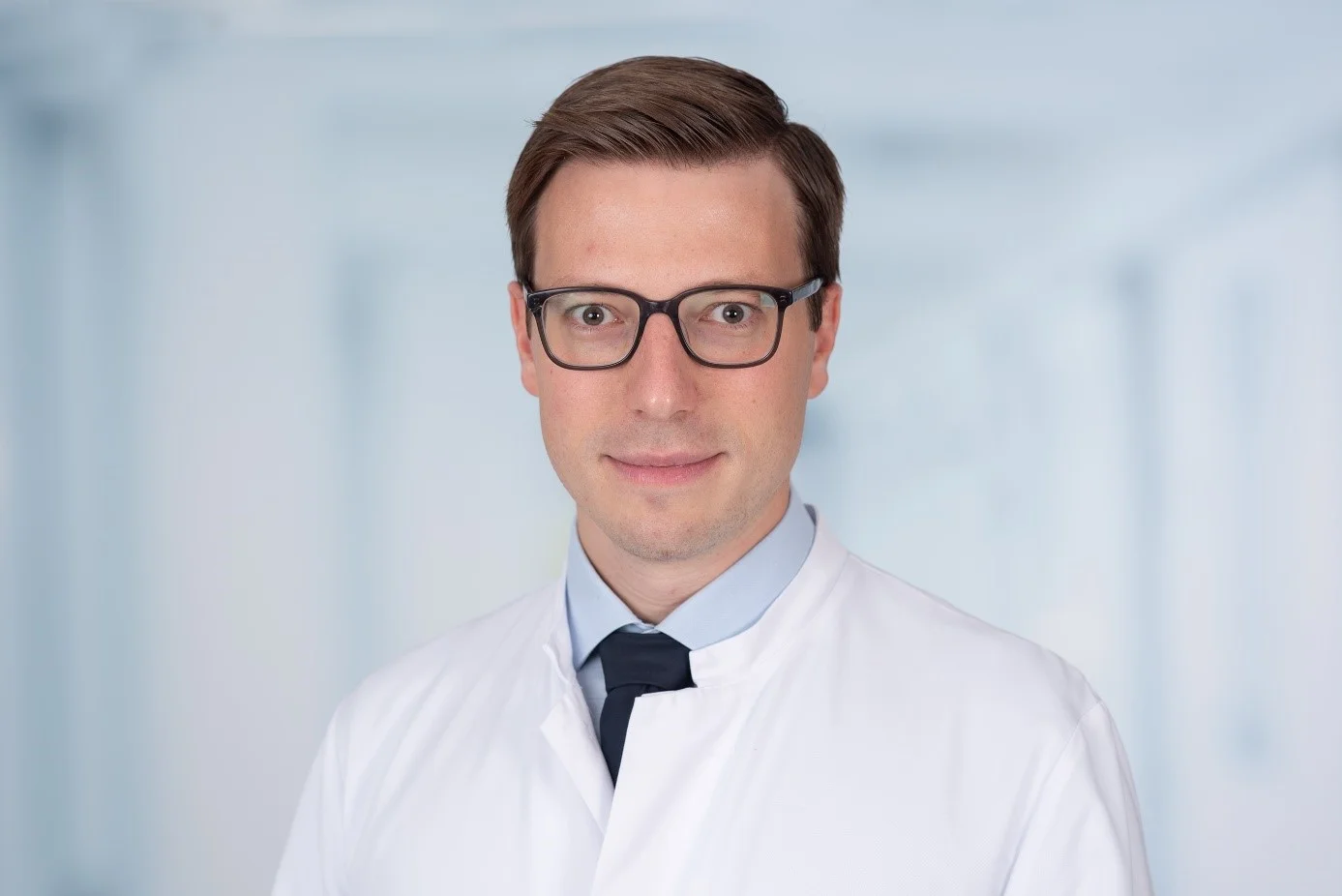
Prof. Dr. Maximilian Pfau works on developing super-sensitive eye tests and modern imaging techniques for early diagnosis of age-related macular degeneration (AMD)—the most common cause of blindness in industrialized countries. The goal is to make future therapy studies possible in the earliest stages of the disease to preserve vision as early as possible. In addition, he is establishing innovative progression parameters and functional testing procedures for hereditary retinal diseases. In close collaboration with international consortia, he is involved in pioneering therapy and gene therapy studies for common and rare genetic retinal disorders.