Scientific Infrastructure

Vice Dean's Office for Scientific Infrastructure

The team of the Vice Dean's Office for scientific infrastructure organizes and coordinates the Core Facilities, as well as the further development of research infrastructures at the Faculty. In the Core Facilities, highly developed technologies, scientific services and equipment are combined as an organizational unit and made available to researchers at the University Hospital, the University and external users within the framework of the Bonn Technology Campus Life Sciences (BTC).

We are your point of contact for:

  • Core Facility management (user management, equipment booking software PPMS, service portfolio, internal cost allocation, cooperation and service agreements)
  • preparation of proposals for major research instruments and Core Facilities
  • integration of Core Facility services into grant applications
  • communication and public relations in the field of research infrastructure
  • needs assessments for research infrastructures
  • annual evaluation report of the Core Facilities at the Medical Faculty
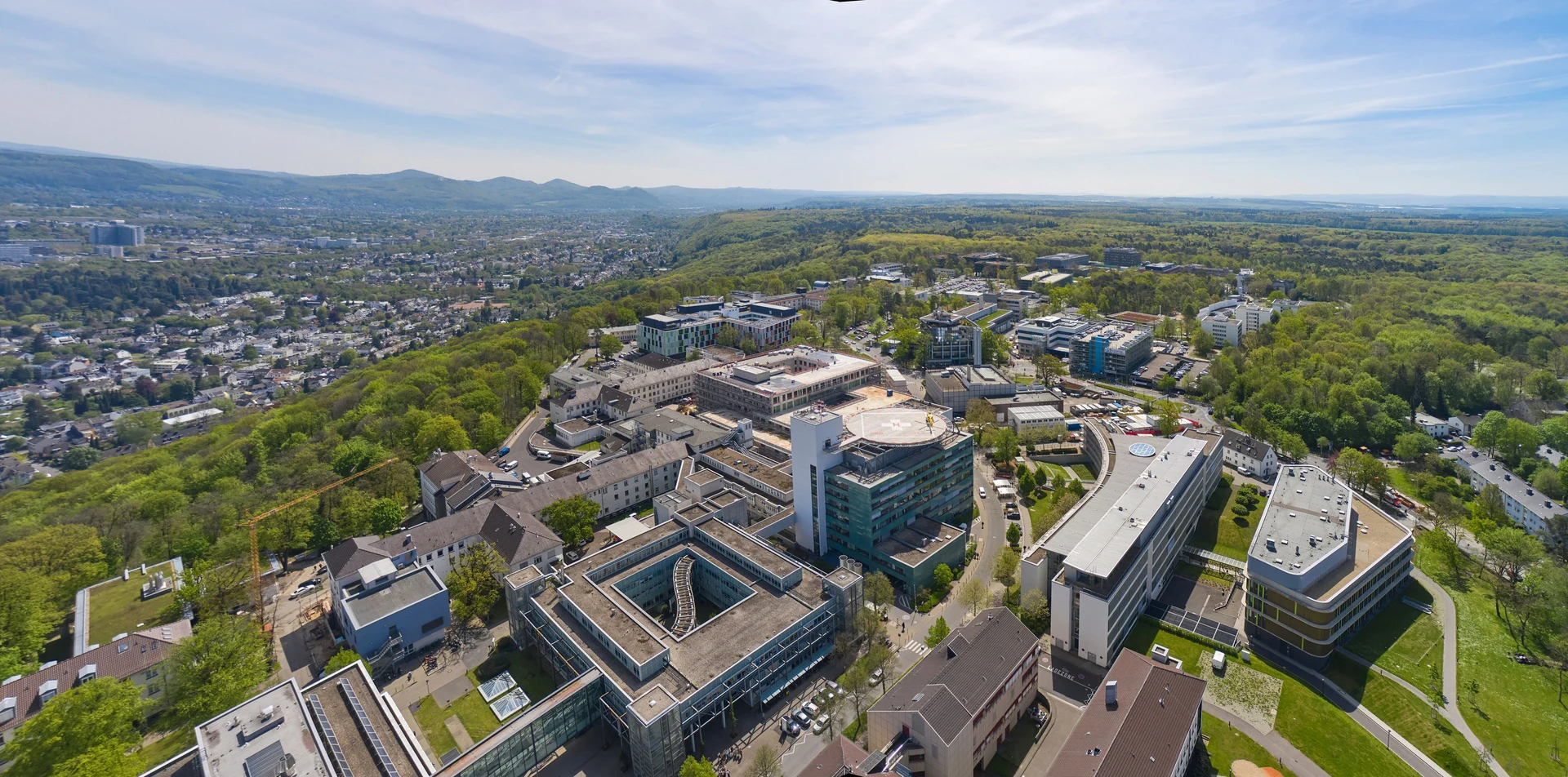
uni-vl-UKB-040523-060.jpg
© Volker Lannert

Questions or suggestions?

Please don’t hesitate to reach out to us via email to DEK.technology@ukbonn.de. We are happy to help!

Dean's commission Core Facilities

The Dean's Commission Core Facilities meets four times a year to review and decide on funding applications submitted by Core Facilities and members of the Faculty of Medicine. The decisions serve as draft resolutions for the meeting of the Dean's Council.

Upcoming meetings

Monday, September 29th, 11 am - 13 pm

Friday, December 19th, 9 - 11 am


Please submit topics exclusively by email to DEK.technology@ukbonn.de at least 3 weeks before the meeting. You will then receive the necessary application forms, which must be available at least 2 weeks before the meeting.
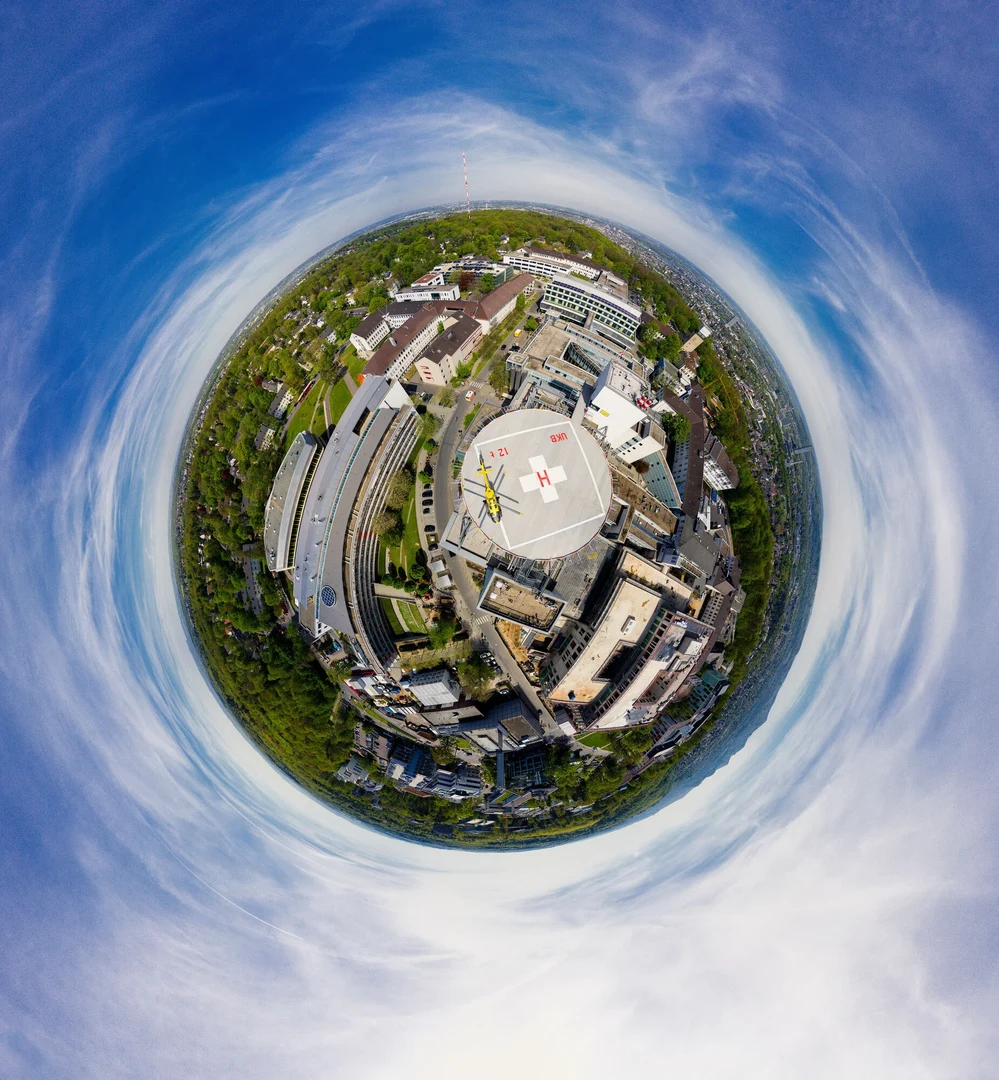
uni-vl-UKB-040523-050(1).jpg
© Volker Lannert / Universität Bonn

Upcoming Events of the Core Facilities
Functional single-cell assays with flow-compatible droplets
Online (Microsoft Teams)
11:00 AM - 12:00 PM
The Flow Cytometry Core Facility invites all PIs and researchers, particularly those within ImmunoSensation Cluster, Immuno Oncology Groups and the Organoid ...
Spectral Flow Theory
Zoom
03:00 PM - 05:00 PM
Topics: - How is data collected on spectral cytometers? - Spectral ribbon plot - Spectral unmixing - Autofluorescence management - Panel building in ...
Flow Cytometry Basic Principles
zoom
03:00 PM - 05:00 PM
topics: components of a flow cytometer gating fluorescence compensation controls blocking fluorescent dyes

14

Core Facilities

640+

active users

23

Major research instruments

News about projects we supported
Immune cells remember their location
A new AI-based method reconstructs spatial information about where immune cells were originally located in an organ, even after these cells have been removed from the tissue and analyzed individually. To accomplish this, Researchers at the University Hospital Bonn (UKB) and the University of Bonn use the transcriptome, i.e., the entirety of all messenger RNA transcripts produced by genes within a cell at a given time. The work has now been published in the journal Advanced Science and introduces the new MERLIN algorithm.
Mitochondria influence lipid storage in cells
The powerhouse of the cells – known as mitochondria – appear to be able to influence the number of lipid droplets in the cell. A mechanism that is actually intended for a completely different purpose plays a central role in this. This is shown by a recent study by the University of Bonn and University Hospital Bonn and the University of Freiburg. The results have now been published in the journal Nature Cell Biology.
Ein Zeichen für mehr Nachhaltigkeit im Laboralltag
Die NGS Core Facility Bonn wurde im Rahmen der offiziellen LEAF-Zertifizierungsfeier am 22. Januar 2026 mit dem LEAF-Bronze-Zertifikat ausgezeichnet. 
Two days of oatmeal reduce cholesterol level
A short-term oat-based diet appears to be surprisingly effective at reducing the cholesterol level. This is indicated by a trial by the University of Bonn, which has now been published in the journal Nature Communications. The participants suffered from a metabolic syndrome – a combination of high body weight, high blood pressure, and elevated blood glucose and blood lipid levels. They consumed a calorie-reduced diet, consisting almost exclusively of oatmeal, for two days. Their cholesterol levels then improved significantly compared to a control group. Even after six weeks, this effect remained stable. The diet apparently influenced the composition of microorganisms in the gut. The metabolic products, produced by the microbiome, appear to contribute significantly to the positive effects of oats

Contact

Vice Dean's Office for Scientic Infrastructure

Address

Dean's Office of the Medical Faculty, building 33
Venusberg-Campus 1
53127 Bonn

Avatar Wachten

Prof. Dr. Dagmar Wachten

Vice Dean for Sustainability and Scientific Infrastructure
Avatar Beck

Prof. Dr. Heinz Beck

Vice Dean for Sustainability and Scientific Infrastructure
Avatar Carl

Dr. Claudia Carl

Manager for Scientific Infrastructure
Avatar Schneider

Dr. Simon Schneider

Manager for Scientific Infrastructure
Wird geladen